Comprehending the Production Refine of Light Weight Aluminum Spreading: A Comprehensive Overview
The production procedure of aluminum Casting is complex and intricate. It encompasses different techniques that transform liquified light weight aluminum into specific forms. Each approach, from sand Casting to die spreading, plays an important function in the last item's quality. Understanding the nuances of light weight aluminum alloys and melting procedures is essential. As one checks out the ins and outs of molding and finishing techniques, the importance of quality control ends up being evident. What factors absolutely affect the success of this process?
The Basics of Light Weight Aluminum Spreading
Light weight aluminum Casting is an essential production procedure that changes molten light weight aluminum right into exact, detailed forms. This procedure starts with the cautious melting of light weight aluminum ingots or scrap in a furnace, where temperatures go beyond 660 levels Celsius. When molten, the aluminum is put right into pre-designed mold and mildews, which dictate the last kind of the cast element.
Cooling takes place as the light weight aluminum strengthens, allowing it to tackle the attributes of the mold. The high quality of the last item is influenced by elements such as the pureness of the aluminum, the layout of the mold and mildew, and the air conditioning rate. After solidification, the mold and mildews are removed to reveal the actors piece, which might go through added completing procedures, such as machining or surface area treatment, to fulfill visual requirements and details resistances. In general, light weight aluminum Casting serves as a fundamental method in the manufacturing of various parts across sectors.
Kinds Of Light Weight Aluminum Casting Processes
The numerous aluminum Casting procedures play an essential duty in manufacturing effectiveness and product high quality. Trick approaches consist of sand spreading, which is cost-efficient and functional; die spreading, understood for its precision and speed; and long-term mold and mildew casting, which provides toughness and enhanced surface coating. Each technique has its distinct advantages, making them suitable for various applications in the sector.
Sand Casting Strategy
While several Casting methods exist, sand Casting stays one of one of the most extensively utilized methods for shaping light weight aluminum elements. This procedure includes creating a mold and mildew from sand, which is compressed around a pattern to develop the preferred shape. As soon as the mold and mildew is ready, liquified aluminum is poured right into the tooth cavity, where it takes and solidifies on the form of the mold and mildew. Sand Casting is specifically valued for its convenience, allowing for the manufacturing of complicated sizes and shapes. Furthermore, it is affordable for both large and tiny production runs. The strategy appropriates for different aluminum alloys, making it a prominent choice in markets ranging from automotive to aerospace. Its simplicity and flexibility contribute to its enduring popularity in light weight aluminum casting.
Pass Away Casting Method
Pass away Casting represents an extremely effective approach for creating light weight aluminum elements, identified by its capability to create complex forms with outstanding dimensional accuracy. This procedure entails forcing liquified aluminum into a steel mold and mildew at high stress, which permits rapid production and very little waste. There are 2 key sorts of die spreading: warm chamber and cold chamber. Warm chamber pass away Casting appropriates for low-melting-point alloys, while chilly chamber pass away Casting is perfect for greater melting factors, supplying flexibility in product option. The die Casting approach not just assures smooth surface area coatings but likewise allows the manufacturing of intricate geometries that are challenging to accomplish with various other Casting techniques. Overall, pass away Casting is important for industries requiring high-volume production of precision parts.
Permanent Mold Casting
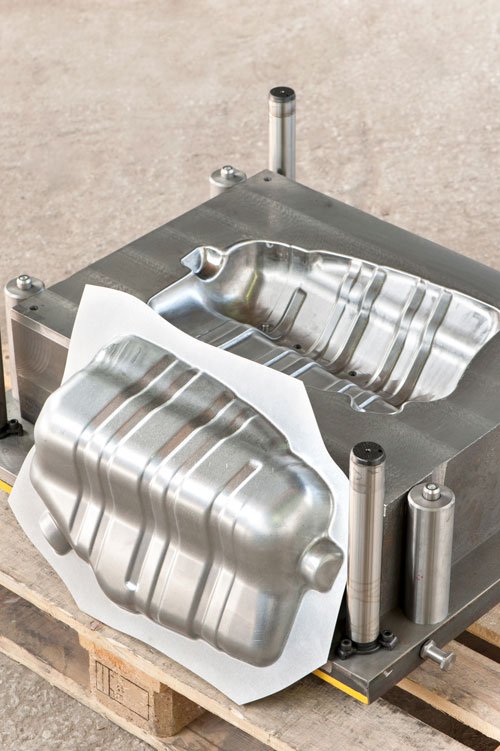
The Aluminum Casting Products
Aluminum casting counts on a selection of materials to accomplish the preferred buildings and efficiency attributes of the end product. The main material utilized is aluminum alloy, which includes various components such as silicon, zinc, copper, and magnesium to boost certain qualities like stamina, deterioration resistance, and thermal conductivity. The selection of alloy is necessary, as it directly affects the mechanical properties and casting actions.
Along with the light weight aluminum itself, various other products play considerable duties in the Casting process. Sand, used in sand spreading, offers the mold and mildew structure, while ceramic products can be used for complex shapes in financial investment spreading. Additionally, ingredients like fluxes may be incorporated to enhance fluidity and minimize oxidation during the Casting procedure. Each of these materials is picked based on the demands of the end product, guaranteeing excellent performance and durability in its designated application.
The Light Weight Aluminum Melting Process
Prior to casting, the light weight aluminum should go through a melting procedure to transform it from strong to liquid type. This process generally occurs in a furnace, where the aluminum is heated to its look at here melting factor, about 660 degrees Celsius (1220 degrees Fahrenheit) Various kinds of heaters may be employed, consisting of induction, resistance, and gas-fired furnaces, each using various benefits relating to performance and environmental impact.
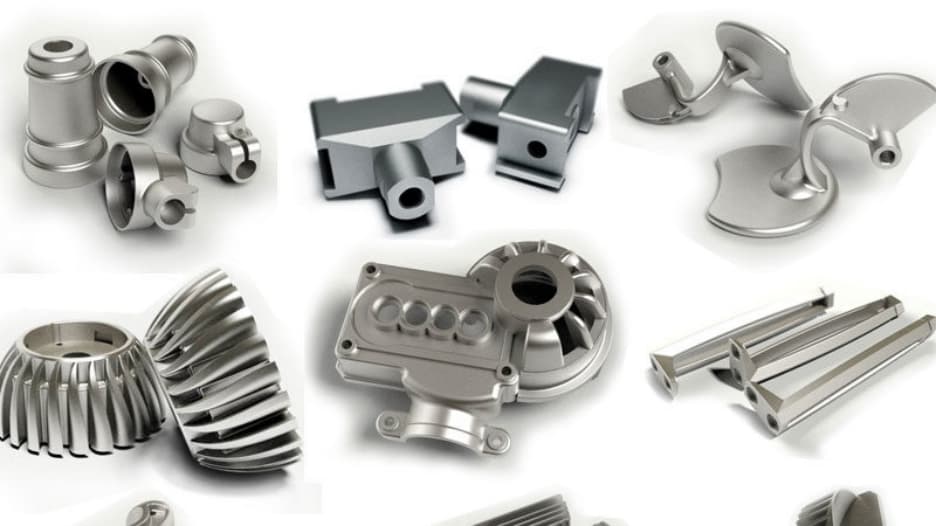
Molding Methods in Aluminum Casting
Molding methods play an essential function in the light weight aluminum Casting process, impacting both the high quality and efficiency of the end product. The sand molding procedure and various die Casting techniques are two predominant methods utilized in the sector. Each method is and supplies distinct advantages suited for different applications, affecting the total manufacturing outcome.
Sand Molding Process
While numerous strategies exist for forming light weight aluminum castings, the sand molding process stays one of the most commonly made use of approaches in the sector. This strategy utilizes a blend of sand, clay, and water to create molds that can endure the heats of molten light weight aluminum. The procedure begins with producing a pattern, usually made from steel or plastic, which is after that pressed into the sand combination to create the mold and mildew dental caries. When the pattern is eliminated, the mold is assembled, and molten aluminum is poured into the dental caries. After cooling down, the sand is damaged away, revealing the ended up spreading. Sand molding provides versatility in design and is cost-effective, making it ideal for both small and large manufacturing runs.
Pass Away Casting Approaches
Pass away casting methods stand for an additional considerable technique in light weight aluminum casting, providing unique advantages over standard sand molding. This process includes forcing molten light weight aluminum right into a steel mold and mildew under high stress, enabling the production of intricate shapes with limited tolerances. There are two main types of die spreading: warm chamber and cool chamber. In warm chamber die spreading, the injection unit is submerged in molten metal, ideal for low-melting-point alloys. Conversely, cool chamber die Casting requires the metal to be melted in a different furnace and afterwards injected right into the mold, making it appropriate for greater melting-point alloys. Both techniques enhance manufacturing performance, minimize waste, and boost surface area coatings, making pass away casting a recommended choice for lots of applications in the production sector.
Finishing Processes for Light Weight Aluminum Castings
Completing processes are important to boost the appearance and efficiency of light weight aluminum castings, ensuring they fulfill the particular requirements of various applications. These processes consist of cleansing, surface area therapy, and layer. Cleaning removes any type of residual products, such as oils or sand, from the Casting surface, preparing it for additional therapy.
Surface area treatment techniques, such as shot blowing up or sanding, help improve and accomplish a consistent structure adhesion for layers - Aluminum Casting Manufacturer. Anodizing is a prominent layer technique that enhances corrosion resistance and gives a cosmetically pleasing coating
Additionally, powder covering can supply durable shade options, while paint enables for customization in look. Machining might likewise be used to attain accurate measurements or added surface finishes. Each ending up process plays a crucial function in boosting both the aesthetic and functional aspects of aluminum spreadings, contributing to their general quality and longevity in numerous commercial applications.
High Quality Control in Aluminum Casting
Quality control in light weight aluminum Casting is a critical facet of the manufacturing process that guarantees the last items satisfy the required requirements and criteria. This process includes methodical inspections and examinations throughout numerous phases of production. Raw materials are assessed for chemical structure and pollutants to verify they adapt to sector norms. Throughout spreading, parameters such as stress, cooling, and temperature rates are closely checked to stop flaws like porosity or misalignment.
Post-casting examinations include non-destructive testing techniques, such as X-ray or ultrasonic evaluations, to discover inner flaws. Additionally, dimensional checks assess the accuracy of the actors elements against design requirements. The execution of top quality administration systems assists in documenting and tracking these processes, permitting for continuous enhancement. Aluminum Casting Manufacturer. By sticking to extensive quality assurance steps, producers can improve item reliability and efficiency, ultimately pleasing client demands and minimizing manufacturing prices related to rework or scrap
Often Asked Inquiries
What Are the Ecological Impacts of Aluminum Casting?
The environmental impacts of aluminum Casting consist of energy consumption, greenhouse gas emissions, and waste generation. In addition, the process can result visit the website in water contamination and environment destruction, highlighting the requirement for sustainable practices in the sector.
How Does Light Weight Aluminum Casting Contrast to Other Metal Casting Processes?
Light weight aluminum casting deals benefits such as lower melting temperature levels and lighter weights contrasted to various other steel Casting processes. This causes decreased energy consumption and higher design adaptability, making it a preferred selection for various applications.
What Safety And Security Steps Are Essential During Light Weight Aluminum Spreading?
Security procedures throughout aluminum Casting include wearing protective gear, ensuring appropriate air flow, preserving tools regularly, executing fire safety methods, and providing training on managing liquified metal to decrease accidents and health and wellness dangers in the work environment.
Exactly How Can I Recycle Light Weight Aluminum Castings Effectively?
Reusing light weight aluminum castings efficiently involves gathering scrap, cleaning impurities, and thawing the aluminum (Aluminum Casting Manufacturer). The process ought to guarantee correct splitting up of various alloys to keep top quality, complied with by casting right into new kinds for reuse in production
What Are Usual Issues in Light Weight Aluminum Castings and Their Reasons?
Typical problems Get the facts in aluminum spreadings consist of porosity, shrinking, and misalignment. These issues frequently arise from poor melting temperatures, improper mold and mildew design, or not enough air conditioning prices, influencing the last item's strength and honesty.
Each approach, from sand Casting to die spreading, plays an essential duty in the last item's quality. Secret methods consist of sand casting, which is functional and economical; die spreading, known for its accuracy and speed; and irreversible mold spreading, which provides resilience and boosted surface finish. While several Casting approaches exist, sand Casting remains one of the most commonly used methods for forming aluminum parts. The die Casting method not only guarantees smooth surface finishes however also enables the manufacturing of complex geometries that are challenging to attain with various other Casting techniques. Sand, made use of in sand spreading, provides the mold framework, while ceramic products can be utilized for complicated forms in financial investment spreading.
Comments on “10 Factors to Review Before Hiring an Aluminum Casting Manufacturer”